



Facial Plastic Surgeon / Procedures / Face / Facelift
Aging is inevitable, but how we age is personal. For many, visible changes in the lower face—such as sagging skin, deep creases, jowls, and loss of jawline definition—can impact confidence. A facelift, or rhytidectomy, is a surgical procedure that lifts and repositions these tissues to restore a smoother, firmer, more youthful facial contour.
Dr. Dino Elyassnia is a board-certified plastic surgeon in San Francisco, renowned for his natural, elegant facelifts in San Francisco. With a focus on advanced techniques and facial harmony, Dr. Elyassnia helps patients look like the best version of themselves—not different, just refreshed.

Dr. Elyassnia performs a SMAS-based facelift (Superficial Musculoaponeurotic System), not a deep plane facelift. The SMAS is a layer of tissue beneath the skin and fat, and lifting and repositioning this structure allows for deeper support and longer-lasting results.
“Treating the SMAS and diverting tension away from the skin is the hallmark of a good facelift,” Dr. Elyassnia says in Allure.
This technique supports natural-looking outcomes by targeting the foundational structures of the face rather than simply tightening the skin.
Dr. Elyassnia’s philosophy emphasizes:
“Patients pick surgeons, not techniques.”
If you're considering a facelift in San Francisco, Dr. Elyassnia advises forming a trust-based relationship with your surgeon and evaluating their work—not just the terminology used.
A facelift is designed to address aging in the lower two-thirds of the face and, when combined with a neck lift, can rejuvenate the neck as well. It can help with:
There are many terms in the cosmetic world—mini facelift, liquid facelift, lifestyle lift—but not all offer the same results. Fillers restore lost volume but cannot reposition sagging tissue. A mini facelift is a less invasive option for early signs of aging but may not offer the comprehensive correction many patients need. A true facelift repositions the deeper tissues, offering a more dramatic and lasting improvement in facial definition and contour.
Take a look at some of the results from our previous patients
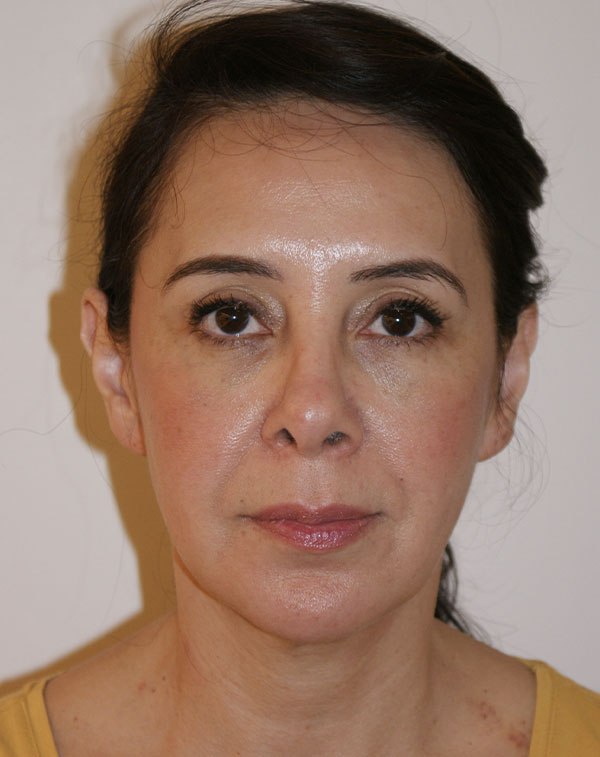
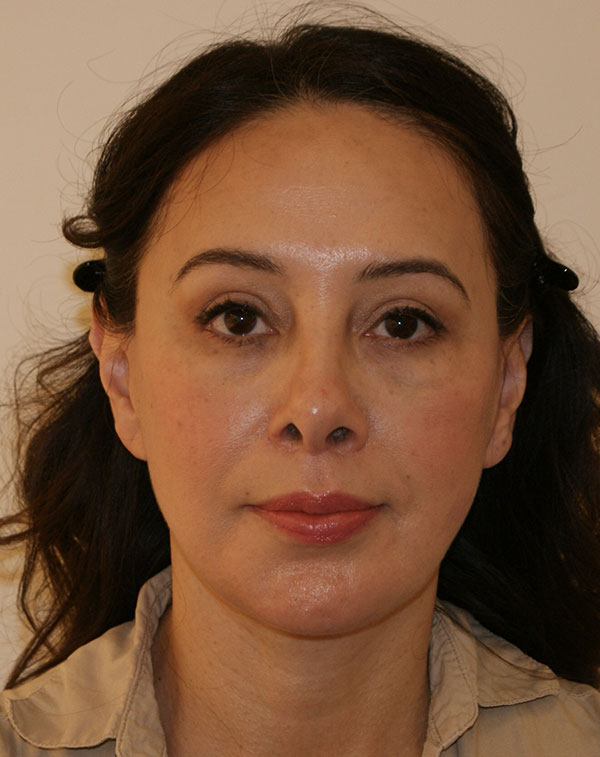
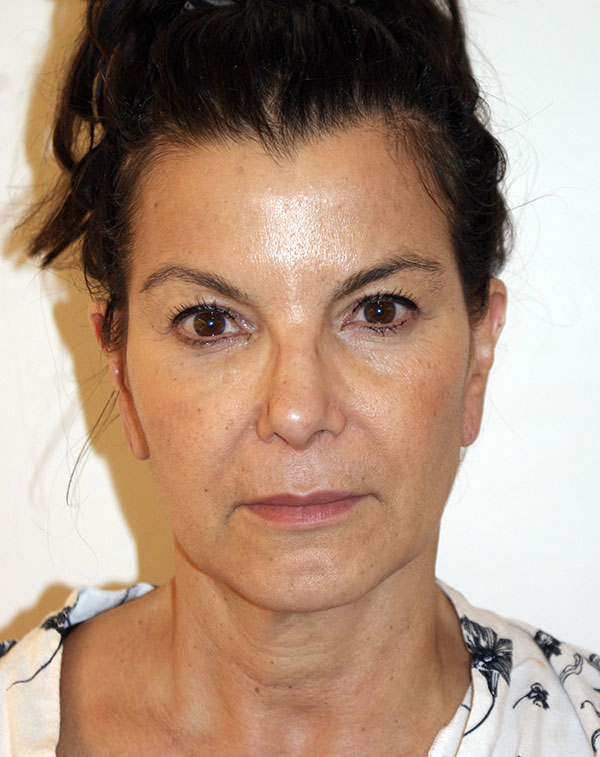
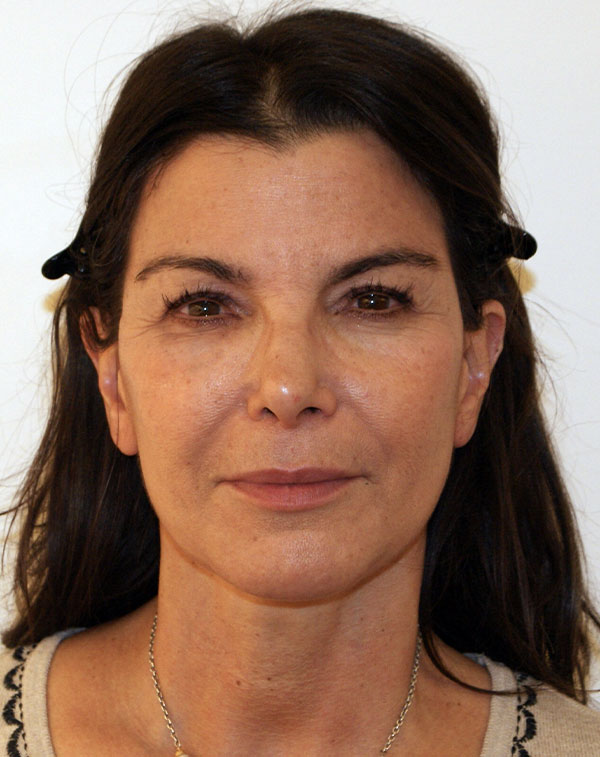
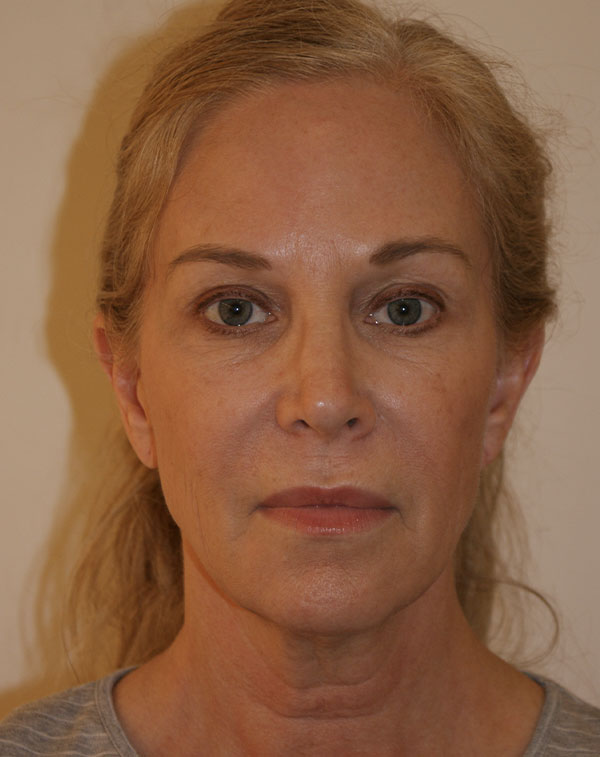
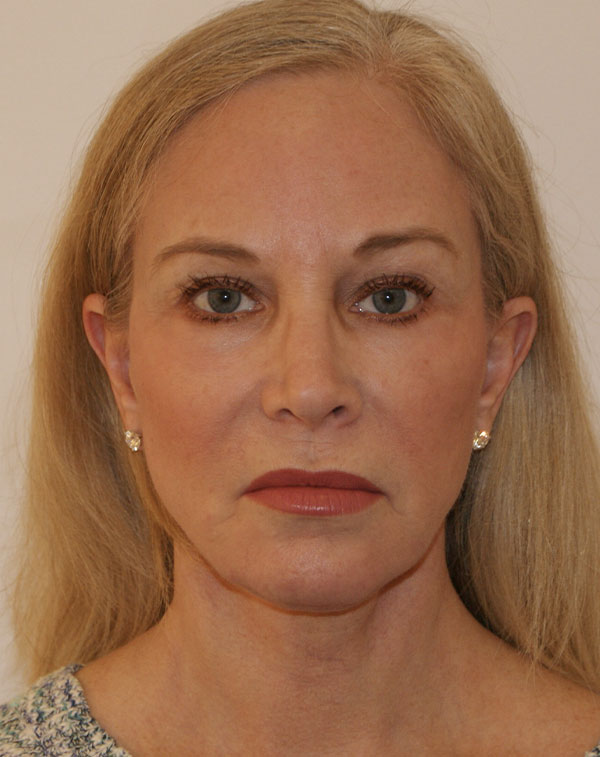
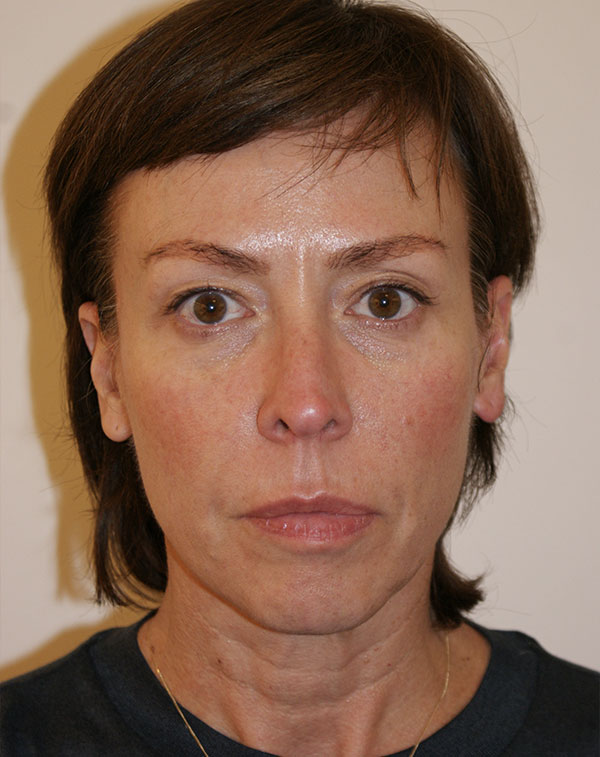
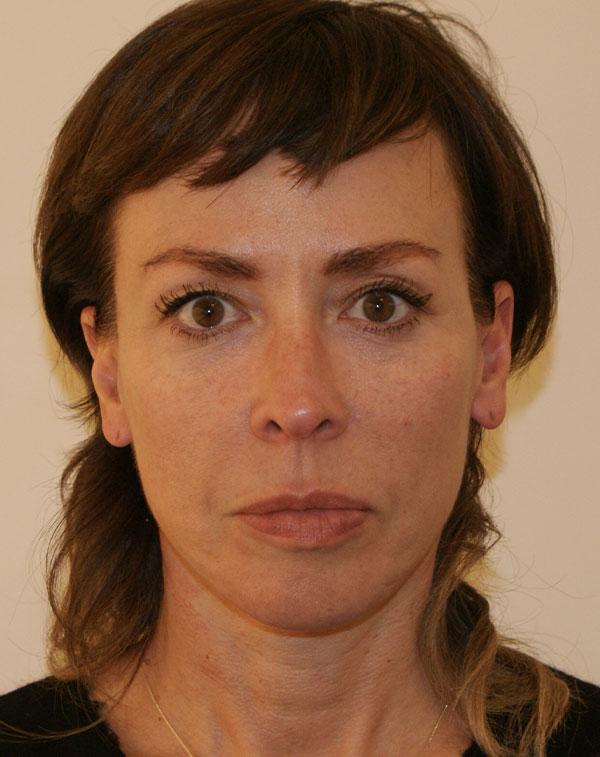
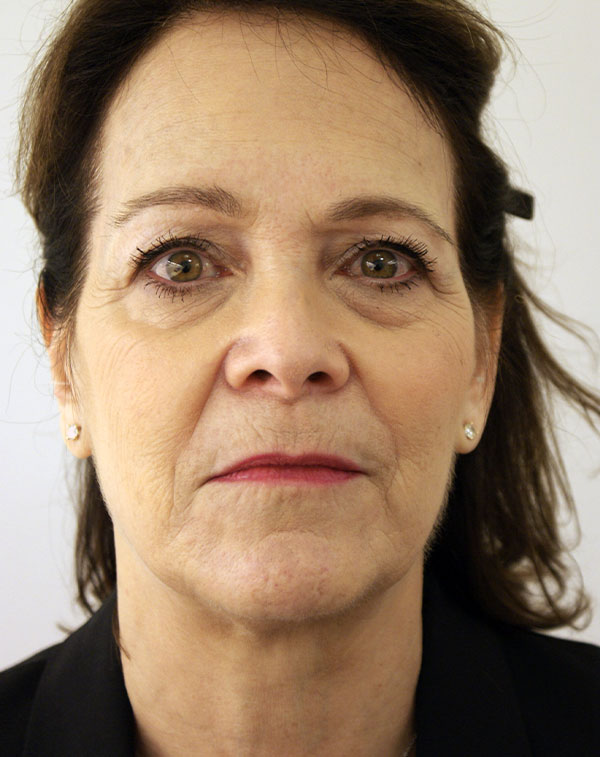
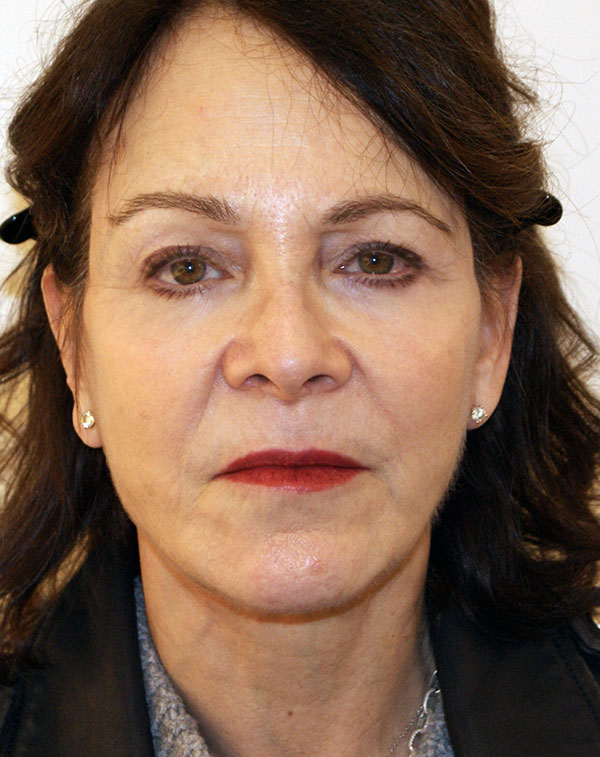
Individual results may vary
View AllBecause aging rarely affects just one area, patients often benefit from a combination approach. Common procedures performed alongside a facelift include:
During your private consultation, Dr. Elyassnia will perform a full facial evaluation, discuss your concerns and goals, and create a custom surgical plan. You’ll review your medical history, any previous procedures, and lifestyle factors such as smoking or medications. Photographs will be taken to assist with surgical planning.
This is also your opportunity to ask questions, understand your options, and determine if Dr. Elyassnia is the right surgeon for you. Patient education, transparency, and realistic expectations are the foundation of his approach.
Facelift surgery typically takes 4–5 hours and is performed under general anesthesia. Incisions are discreetly placed around the ears and, if needed, under the chin for neck access. Excess skin is removed, deep tissues are lifted, and facial harmony is restored.
Most patients return to light activities within 10–14 days, with visible improvements continuing over several weeks. Swelling gradually resolves, and scars fade over time, often becoming nearly invisible within a year. Final results can last 10–15 years and are maintained best with a healthy lifestyle and proper skincare.
Most patients are in their 40s to 70s, though healthy individuals in their 30s or 80s may be candidates. The key factors are skin quality, facial structure, and realistic goals.
No. Dr. Elyassnia's technique enhances your natural features, helping you look like a younger, refreshed version of yourself—not someone else.
A mini facelift targets mild sagging with shorter incisions, while a full facelift addresses deeper tissue laxity and is better suited for moderate to advanced aging.
Yes. Many patients combine surgery with Botox, fillers, lasers, or microneedling for optimal rejuvenation. These address skin tone, texture, and volume loss—areas surgery alone cannot fully treat.
Facelift results typically last 10–15 years. Factors like sun exposure, genetics, and skincare habits can influence how long your results are maintained.
Incisions are placed in natural creases and around the ears for concealment. Most scars fade significantly within 6–12 months and are easy to cover with makeup or hair.
Often, yes. Facial and neck aging usually occur together. Combining both procedures provides a smoother, more balanced result.
Most patients resume social activities in 10–14 days. Makeup can help conceal mild swelling or bruising. Travel may be possible within two weeks, pending your recovery.
Come with a list of questions, your medical history, and an understanding of your goals. Dr. Elyassnia will evaluate your facial structure and guide you through your options.